US Strikes Iran as Trump Vows Naval Blockade

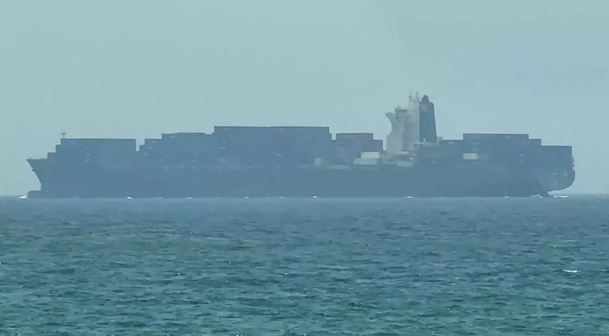
Military operations intensify in the Middle East following recent airstrikes.
The latest series of US strikes Iran faced on Tuesday has sparked a fresh wave of conflict. Following these intense military actions, President Donald Trump vowed to reimpose a strict naval blockade on Iranian ports. These rapid developments prompted Tehran to respond swiftly with retaliatory attacks on multiple countries across the region. The recent surge in fighting has escalated to a massive scale unseen since the historic ceasefire established in April.
US Strikes Iran Triggers Region-Wide Escalation
According to official reports from the United Arab Emirates, Iran recently struck two ships within the strategic waterway. These maritime attacks resulted in the tragic death of one crew member. Furthermore, the United Kingdom maritime security agency reported another dangerous incident on Tuesday. The agency, known widely as UKMTO, stated a missile struck a commercial tanker transiting Hormuz near the coast of Oman.
The United States military stated that its operations lasted for five hours. This specific targeted mission hit multiple locations across Iran. The heavy air strikes successfully hit vital coastal targets in Bushehr and Bandar Abbas. Military officials stated the mission was explicitly designed to degrade the ability of Iran to attack commercial shipping.
Renewed American attacks since last week have caused significant casualties. The ongoing wave of US strikes Iran sustained has killed at least 28 people inside the country. This death toll is based on an official AFP tally compiled from Iranian media and official government announcements. Following these events, the Revolutionary Guards of Iran quickly announced their own severe military response.
More Read>> Ukrainian drones hit Russian oil facilities, ignite tankers in Sea of Azov
Retaliatory Missile Actions and Regional Impacts
The Revolutionary Guards fired a volley of missiles and drones directly at targets in Bahrain. Their retaliatory operation targeted a residential building used by United States forces. It also targeted several other defense facilities within the island nation. Subsequently, Bahrain announced that its forces successfully intercepted several treacherous aerial attacks launched by Iran.
Government officials in Bahrain accused Tehran of deliberately targeting civilian areas. Residents heard loud explosions and emergency sirens across the capital city of Manama. These escalating events occurred shortly after the public declaration by Trump regarding the Hormuz naval blockade. The intense scale of this renewed fighting has called regional peace efforts into question.
Specifically, it threatens ongoing diplomatic efforts to bring a permanent end to the war. Iran originally started blocking the strategic strait after combined US-Israel attacks occurred in February. That action prompted a subsequent Washington blockade on the ports of Tehran. However, these strict maritime restrictions eased after both sides agreed to a preliminary deal in June.
Donald Trump Announces Strict Naval Blockade Plans
Now, the geopolitical situation has worsened again. President Trump stated on Monday that the United States was officially taking over the strait. He announced plans to slap a heavy levy of 20 percent on all cargo shipped through it. This specific economic announcement drew immediate mockery from high-ranking officials in Iran.
Tehran also responded with direct accusations of piracy against the United States. The United States Central Command, also known as CENTCOM, issued a formal statement. The command announced that the ports of Iran on the waterway would face a total blockade. This strict shipping restriction is set to begin at 2000 GMT on Tuesday.
The announcement had an immediate impact on international commodity markets. Oil prices shot up more than nine percent on Monday due to fears of renewed conflict. Prices rose again on Tuesday, piling on more than one percent in gains. Meanwhile, Tehran launched additional attacks on other American allies in the region.
Source: BSS